Crawford Market

About
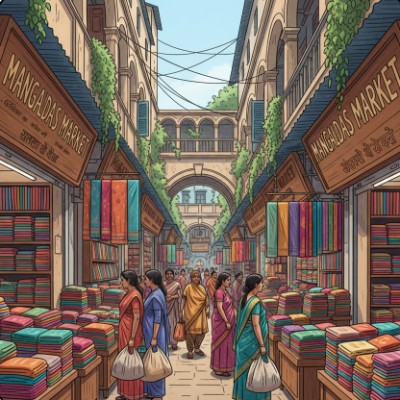
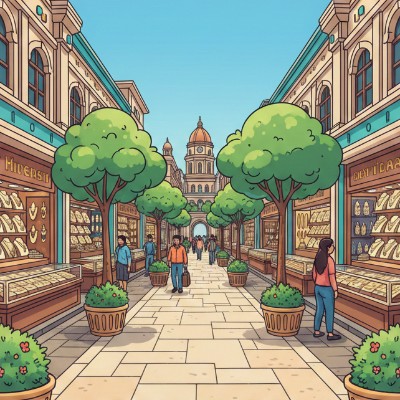
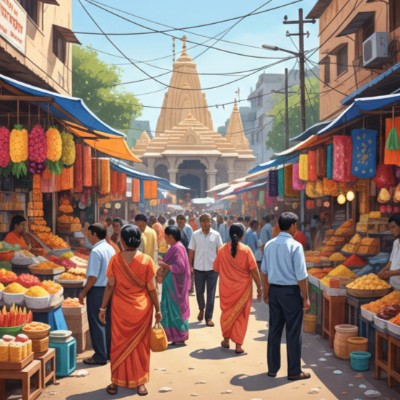
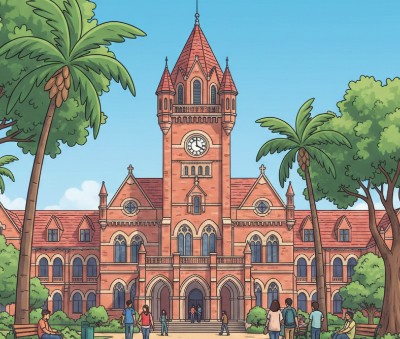
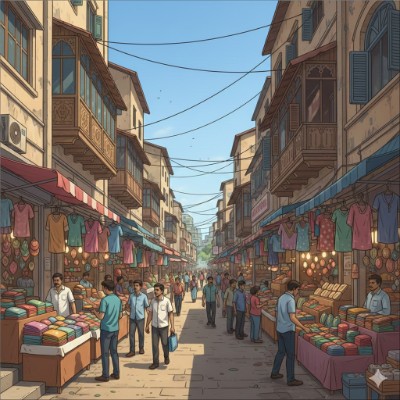
Crawford Market, officially known as Mahatma Jyotiba Phule Mandai, stands as one of Mumbai’s oldest and most iconic shopping destinations. Built in 1869 during the British colonial period, this market beautifully blends Victorian architecture with traditional Indian influences. Its red-tiled roof, carved arches, and ornate fountains make it as much a heritage landmark as a commercial hub. Located near the Chhatrapati Shivaji Terminus, Crawford Market is famous for its diverse offerings – from exotic fruits, spices, and flowers to imported chocolates, cosmetics, and pet supplies. The lively sounds of bargaining, the aroma of fresh produce, and the colourful stalls create an experience that reflects Mumbai’s multicultural spirit. Shoppers can discover a range of products that cater to both locals and tourists. Whether you’re looking for handcrafted souvenirs, home décor, or gourmet ingredients, the market has something for everyone. It also serves as a great spot for photography enthusiasts who wish to capture the essence of old Mumbai through its colonial architecture and bustling energy. Interesting Highlights:
  • Designed by William Emerson in 1869.
  • The market was named after Arthur Crawford, Mumbai’s first Municipal Commissioner.
  • The inner fountain was designed by Lockwood Kipling, father of Rudyard Kipling.
  • Declared a Grade I heritage structure for its architectural and cultural importance.
  • The market’s ceiling features high skylights that provide natural ventilation and light.
  • Crawford Market continues to thrive as a vibrant intersection of history and daily life. For those seeking to explore Mumbai beyond its modern malls, this heritage market offers a glimpse into the city’s timeless charm and trading legacy.
    History

    Crawford Market, now known as Mahatma Jyotiba Phule Mandai, holds a remarkable place in Mumbai’s colonial history. Constructed in 1869, it was one of the first major covered markets in the city during the British Raj.

    Designed by the British architect William Emerson, the structure displays a mix of Norman and Flemish architectural styles, with impressive bas-reliefs and a distinct red-stone façade.

    The market was named after Arthur Crawford, Mumbai’s first Municipal Commissioner, who played a vital role in developing the city’s civic infrastructure. Over time, it became a symbol of Mumbai’s evolving identity as a bustling port and commercial hub.

    Key Highlights:

    • Commissioned in 1869 during the British period.
    • Designed by architect William Emerson with Norman and Flemish influences.
    • The decorative fountain inside was created by Lockwood Kipling, father of Rudyard Kipling.
    • Renamed Mahatma Jyotiba Phule Mandai after India’s independence.
    • Declared a Grade I heritage structure for its cultural significance.


    Facts & Figures

    Crawford Market is not only a shopper’s delight but also a masterpiece of colonial-era architecture that continues to fascinate visitors. Spanning over 72,000 square feet, the market is housed in a striking red-brick building featuring a high vaulted roof, skylights, and intricate stone carvings.

    It was among the first structures in Mumbai to be lit by electricity and remains a functional heritage landmark even today.

    Key Facts:

    • Total area covers approximately 72,000 square feet.
    • Constructed in 1869 using Kurla and Malad stones.
    • Features a high roof supported by steel trusses for ventilation.
    • Houses over 500 stalls selling fruits, spices, dry fruits, and pet supplies.
    • Declared a Grade I heritage structure by the Mumbai Heritage Conservation Committee.
    • Visited by thousands of locals and tourists daily.


    Current Scenario

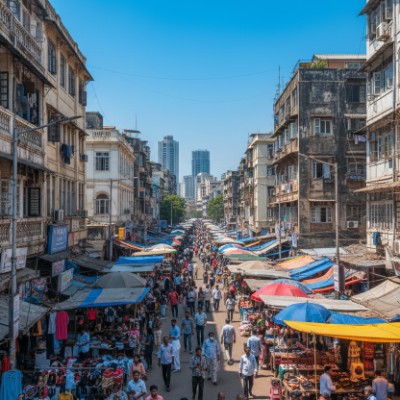
    Today, Crawford Market continues to thrive as one of Mumbai’s most dynamic and bustling commercial hubs. Despite being over a century old, the market has maintained its old-world charm while adapting to modern needs. Its vibrant mix of local traders, wholesale vendors, and retail shoppers keeps the atmosphere lively throughout the day.

    The market’s architecture has been partially restored to preserve its heritage features, and the surrounding areas have undergone redevelopment to improve accessibility and cleanliness.

    Present-Day Highlights:

    • Continues to operate daily, attracting both locals and tourists.
    • Recent restoration projects aim to maintain its original colonial design.
    • Offers a variety of imported goods and local products under one roof.
    • Adjacent areas like Abdul Rehman Street and Zaveri Bazaar add to its shopping appeal.
    • Managed by the Brihanmumbai Municipal Corporation (BMC) with ongoing conservation efforts.
    039
    Current Scenario

    Today, Crawford Market continues to thrive as one of Mumbai’s most dynamic and bustling commercial hubs. Despite being over a century old, the market has maintained its old-world charm while adapting to modern needs. Its vibrant mix of local traders, wholesale vendors, and retail shoppers keeps the atmosphere lively throughout the day.

    The market’s architecture has been partially restored to preserve its heritage features, and the surrounding areas have undergone redevelopment to improve accessibility and cleanliness.

    Present-Day Highlights:

    • Continues to operate daily, attracting both locals and tourists.
    • Recent restoration projects aim to maintain its original colonial design.
    • Offers a variety of imported goods and local products under one roof.
    • Adjacent areas like Abdul Rehman Street and Zaveri Bazaar add to its shopping appeal.
    • Managed by the Brihanmumbai Municipal Corporation (BMC) with ongoing conservation efforts.


    Best Time to Visit

    The best time to visit Crawford Market is during the cooler months between November and February, when the weather in Mumbai is pleasant and comfortable for walking around. Early mornings or late afternoons are ideal to explore the market without facing heavy crowds or harsh sunlight.

    Avoid visiting during the monsoon season (June to September) as the streets can get slippery and congested, and during the Diwali or Christmas rush, when the market gets extremely crowded with festive shoppers.

    Recommended Visiting Hours:

    • Morning: 10:00 AM – 12:00 PM (best for photography and relaxed browsing).
    • Afternoon: 4:00 PM – 6:00 PM (for a livelier vibe).
    • Closed: Sundays and public holidays.


    How to Reach

    Crawford Market is located in the heart of South Mumbai, near Chhatrapati Shivaji Maharaj Terminus (CSMT) and Marine Lines, making it easily accessible from all parts of the city. Whether you’re a local commuter or a tourist, multiple transport options are available to reach this iconic marketplace conveniently.

    By Train:

    • The nearest railway stations are CSMT (Central Line) and Marine Lines (Western Line), both about 10–12 minutes’ walk away.
    • From either station, you can walk or take a short taxi/auto ride to the market entrance.

    By Bus:

    • Several BEST buses connect Crawford Market with major Mumbai areas like Dadar, Churchgate, and Andheri.
    • The nearest major bus stops are CSMT Bus Depot and Dhobi Talao Junction.

    By Taxi or Auto:

    • Taxis and auto rickshaws are available throughout the city. It’s best to use metered fares or app-based cabs (Ola, Uber).

    By Car:

    • Limited parking is available near the market, especially along Lokmanya Tilak Marg. Arrive early to secure a spot.


    Food Courts / Food Options Nearby

    A visit to Crawford Market isn’t complete without exploring the delicious local food options around it. The area is surrounded by some of Mumbai’s most iconic eateries, serving everything from authentic street food to traditional Parsi meals and refreshing beverages — perfect for recharging after a long shopping spree.

    Top Food Spots Near Crawford Market:

    • Badshah Cold Drink House (0.1 km): A legendary eatery right next to the market, famous for its faloodas, fruit juices, and chats. Approx. cost: ₹200–300 per person.
    • Hotel Noor Mohammadi (0.4 km): Known for its Mughlai delicacies like Chicken Sanju Baba, kebabs, and biryanis. Approx. cost: ₹400–600 per person.
    • Sardar Pav Bhaji (0.8 km): One of Mumbai’s oldest and most popular pav bhaji joints, located near Tardeo. Approx. cost: ₹250–350 per person.
    • Kayani & Co. (1 km): A traditional Irani café serving bun maska, kheema pav, and tea in a nostalgic setting. Approx. cost: ₹300–400 per person.
    • Cannon Pav Bhaji (0.6 km): A street food favorite near CST station known for its buttery pav bhaji and snacks. Approx. cost: ₹200–300 per person.
    • Delhi Zaika (0.5 km): Popular for North Indian and tandoori dishes. Approx. cost: ₹400–500 per person.
    079
    Tips & Recommendations for Tourists

    Visiting Crawford Market can be an unforgettable experience for both local and international travellers. Its mix of heritage architecture, vibrant stalls, and authentic Mumbai charm makes it a must-visit spot for anyone wanting to experience the city’s trading spirit up close.

    • For Local Tourists: Visit during the morning hours to avoid heavy crowds and to get the best deals on fruits, spices, and dry fruits. Carry small cash for easy transactions.

    • For International Tourists: Hire a local guide to understand the market’s heritage and cultural importance. It’s advisable to bargain politely and be mindful of your belongings.

    • Photography Tip: The Gothic-style building and the colourful market interiors make for stunning photographs. Always ask vendors before clicking pictures.

    • Suggested Duration: 1 to 2 hours is ideal for shopping and exploring nearby attractions such as Chhatrapati Shivaji Maharaj Terminus and Flora Fountain.

    • Budget Tip: Keep your budget flexible – items can range from ₹100 to ₹1000 depending on your shopping choices.


    Additional Notes

    The charm of Crawford Market lies not just in its architecture or its history, but in the rhythm of life that pulses through it. The market captures the essence of old Mumbai — where colonial design meets bustling Indian trade culture. It’s a paradise for photographers, culture enthusiasts, and anyone seeking to experience authentic Mumbai street life.

    Fun to know:
    The market was the first building in Mumbai to be lit by electricity back in the late 19th century. During festive seasons like Diwali and Christmas, the lanes burst with colours, lights, and irresistible aromas of spices and flowers.

    2229


    Places Nearby Crawford Market
    Frequently Asked Questions
    Q1: What is the entry fee for the Crawford Market in Mumbai?
    A1: Entry to the Crawford Market in Mumbai is completely free for all visitors, making it one of the most accessible and lively shopping destinations in the city.
    Q2: What are the opening hours of the Crawford Market in Mumbai?
    A2: The Crawford Market in Mumbai is open from 10:00 AM to 8:00 PM, Monday through Saturday. It remains closed on Sundays, so plan your visit accordingly for the best shopping experience.
    Q3: What is Crawford Market famous for?
    A3: Crawford Market is famous for its wide variety of goods — from fresh fruits, vegetables, and spices to imported chocolates, perfumes, home décor, and household items. It’s also known for its vibrant pet section and colonial-style architecture.
    Q4: Where is the Crawford Market located in Mumbai?
    A4: The Crawford Market is located in the Fort area of South Mumbai, close to major landmarks like Chhatrapati Shivaji Maharaj Terminus (CSMT) and Marine Lines. Its central location makes it easily accessible from all parts of the city.
    Q5: How can I reach Crawford Market using public transport?
    A5: You can reach Crawford Market easily by taking a local train to Chhatrapati Shivaji Maharaj Terminus (CSMT) or Marine Lines Station. From there, the market is just a short walk or taxi ride away. Several BEST buses and taxis also connect this area from various parts of Mumbai.
    Q6: What is the best time to visit Crawford Market?
    A6: The best time to visit Crawford Market is between 11:00 AM and 5:00 PM when most shops are open and the crowd is manageable. Visiting in the morning ensures you get fresh produce and a more relaxed shopping experience.
    Q7: Is photography allowed inside Crawford Market?
    A7: Yes, photography is generally allowed inside Crawford Market. However, it’s polite to ask shopkeepers before taking close-up photos of their stalls or merchandise, especially in the pet and spice sections.
    Q8: Are there any eateries or cafés inside Crawford Market?
    A8: While Crawford Market itself mainly focuses on shopping, there are several small eateries, juice stalls, and cafés nearby. You can enjoy delicious street food, snacks, or head to nearby restaurants for a full meal after shopping.
    Q9: Is Crawford Market a good place to buy souvenirs in Mumbai?
    A9: Yes, Crawford Market is an excellent spot to buy souvenirs. You can find traditional Indian handicrafts, spices, home décor items, and local sweets — all perfect for taking a piece of Mumbai back home.
    Q10: Is bargaining possible at Crawford Market?
    A10: Absolutely! Bargaining is common and even expected at Crawford Market. Polite negotiation can often get you better deals, especially on non-branded items like décor, clothes, and accessories.
    Q11: Does Crawford Market accept digital payments?
    A11: Yes, many shops at Crawford Market now accept digital payments such as UPI, Paytm, Google Pay, and credit/debit cards. However, it’s still a good idea to carry some cash, as smaller stalls may prefer cash transactions.
    Q12: Does Crawford Market accept digital payments?
    A12: Yes, many shops at Crawford Market now accept digital payments such as UPI, Paytm, Google Pay, and credit/debit cards. However, it’s still a good idea to carry some cash, as smaller stalls may prefer cash transactions.
    Q13: Is there parking available near Crawford Market?
    A13: Yes, limited parking is available around Crawford Market, but it can get crowded during peak hours. It’s advisable to use public transport or park at nearby pay-and-park facilities near CSMT or Marine Lines.
    Q14: Are pets really sold at Crawford Market?
    A14: Yes, there is a section in Crawford Market dedicated to pets and pet supplies, where you can find birds, fish, and small animals. However, some parts of this section are regulated, and visitors are encouraged to support ethical and licensed pet sellers only.
    Q15: Is Crawford Market safe for tourists?
    A15: Yes, Crawford Market is generally safe for tourists during the day. However, like any busy market, it’s best to keep an eye on your belongings and avoid carrying too much cash or valuables while shopping.
    Q16: What are some nearby attractions to Crawford Market in Mumbai?
    A16: Nearby attractions include Chhatrapati Shivaji Maharaj Terminus (CSMT), Flora Fountain, Horniman Circle Garden, Bombay Stock Exchange, and the Gateway of India — all within a short distance and perfect for continuing your South Mumbai exploration.